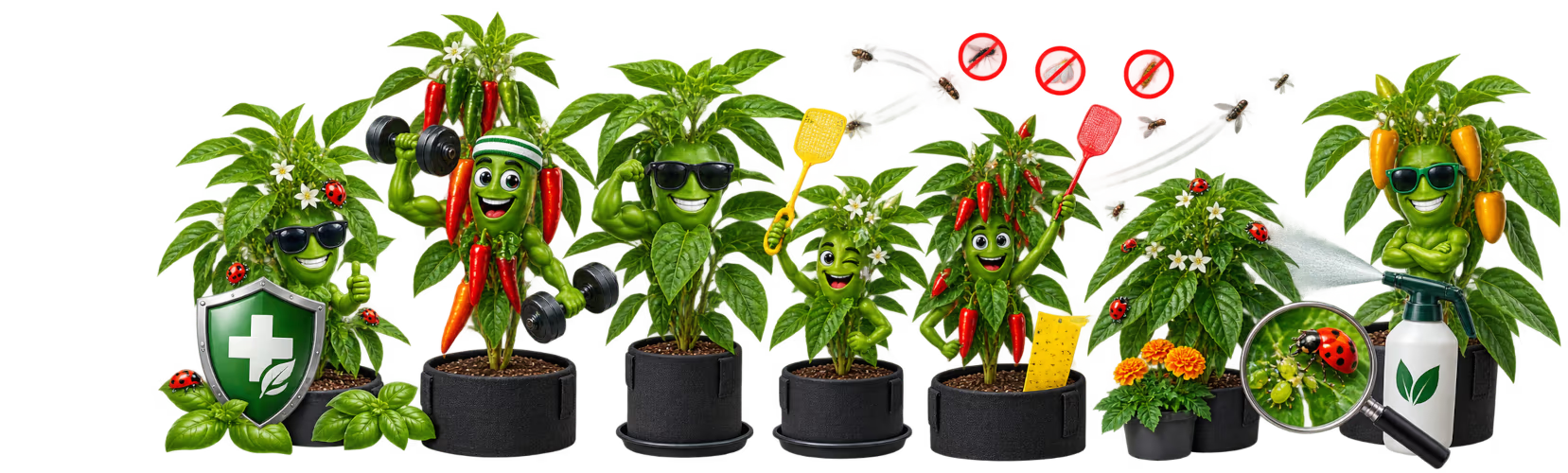
Fighting an infestation in bloom is always a compromise: you do not want to spray what you are about to harvest, and that is exactly when plants are most vulnerable. Working preventively is therefore not only cheaper but often the only genuinely clean answer.
Resilience rather than treatment
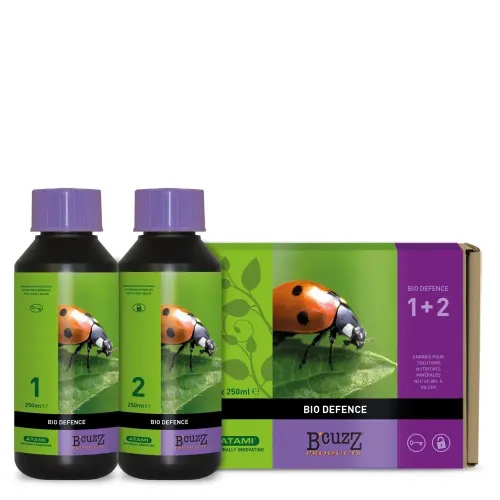
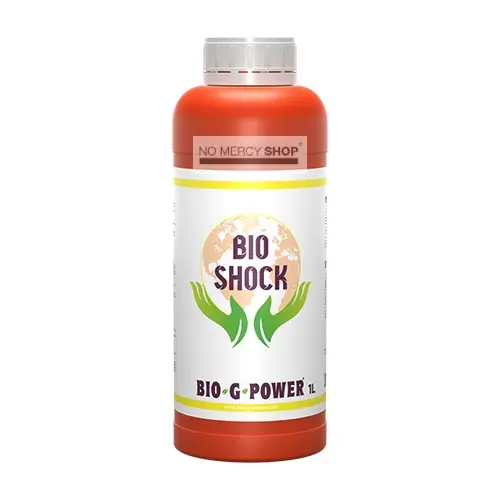
Everything on this page aims at the plant itself rather than at killing an insect. Atami B'cuzz Bio Defence is a biological foliar spray against spider mite, thrips, aphids and mildew, supplied as a set of two 250 ml bottles; parts 1 and 2 must always be mixed together, because separately they do not work as intended. Bio G Power Bio Shock tackles spider mite, aphids, thrips and whitefly by natural means and comes in 100 ml and 1 litre, so you can start small.
Fungone against fungus, bacteria and viruses
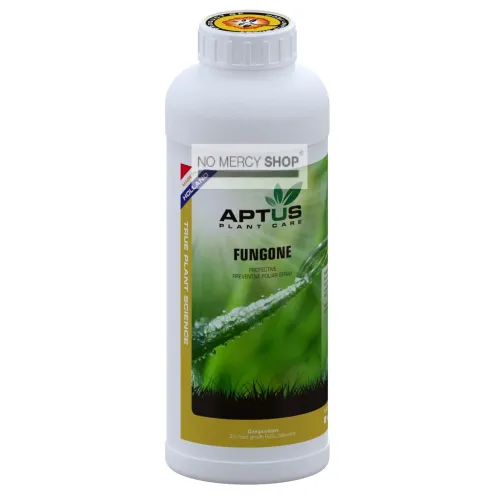
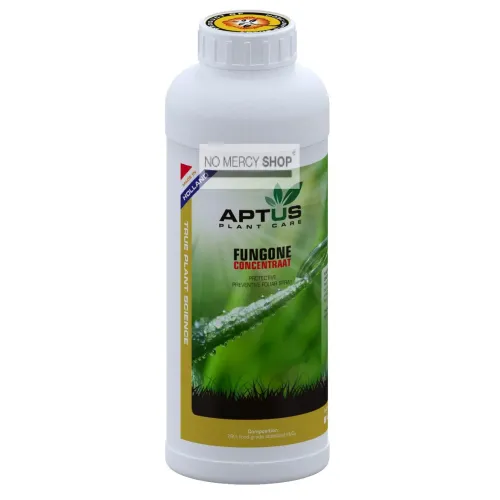
Aptus Fungone targets fungus, bacteria and viruses specifically and prevents problems such as powdery mildew rather than fighting them afterwards. It does not slow the plant's own processes, which is the difference from something you only reach for once things go wrong: you can use it before anything is the matter. There is a ready-to-use 1000 ml bottle and a 1:4 concentrate of the same volume, which you dilute to five litres of usable solution.
Two habits that cost nothing
Hang sticky traps as soon as the tent is running, so you see an outbreak coming rather than discovering it; those are under Diseases & Pests. And keep cuttings from elsewhere separate before they join the rest. Most pests arrive rather than appear, and a week of quarantine is cheaper than anything on this page.
Frequently asked questions
When do I start spraying preventively?
As soon as the crop is standing, not once you see something. Preventive products work on resilience, and resilience is built over time; starting afterwards means you are treating after all.
Can I keep using this in bloom?
Check the instructions per product and be cautious with anything that lands on the flower. That is exactly why starting early pays: the further into the cycle, the less room you have.
What do I apply it with?
A pressure sprayer, and preferably a separate one for treatments and for feed. Those are under Pressure Sprayers; above all, hit the underside of the leaf, because that is where the problem sits.