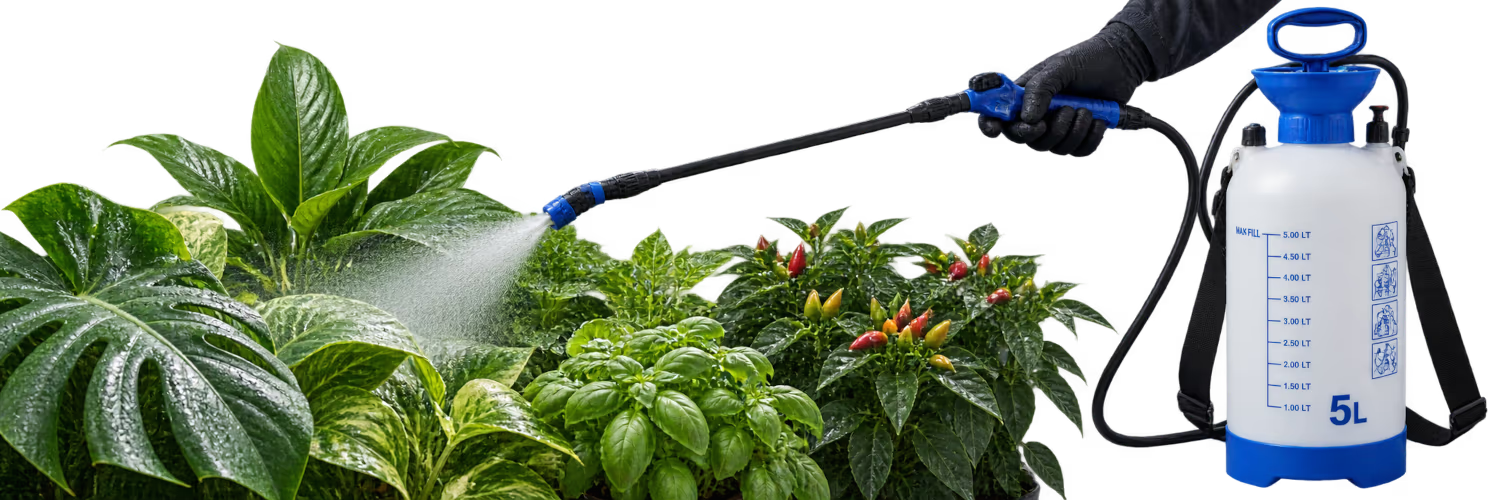
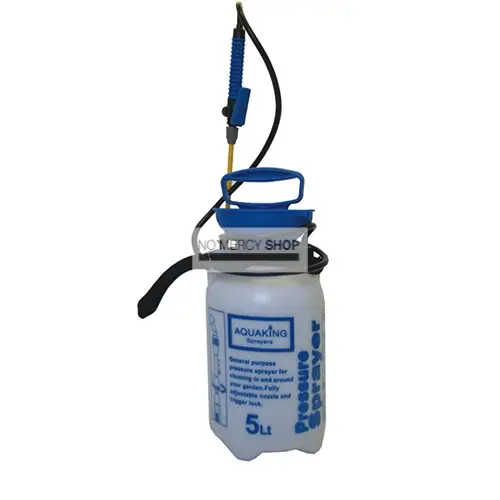
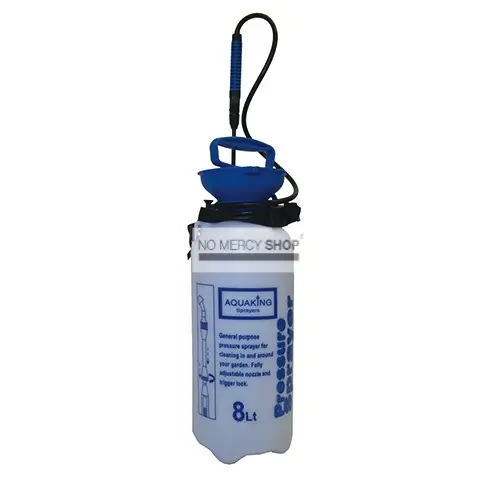
A pressure sprayer is the tool for anything that goes on the leaf rather than in the pot: foliar feed, biological crop protection and misting cuttings. You pump the tank up to pressure first, and that is the whole point: the droplet size then stays the same from the first spray to the last, instead of starting as mist and ending in splashes.
Two, five or eight litres
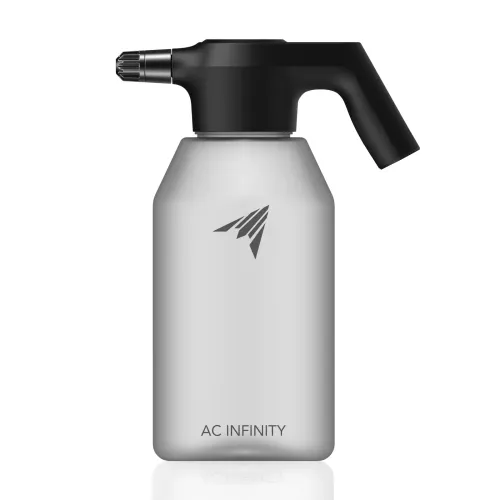
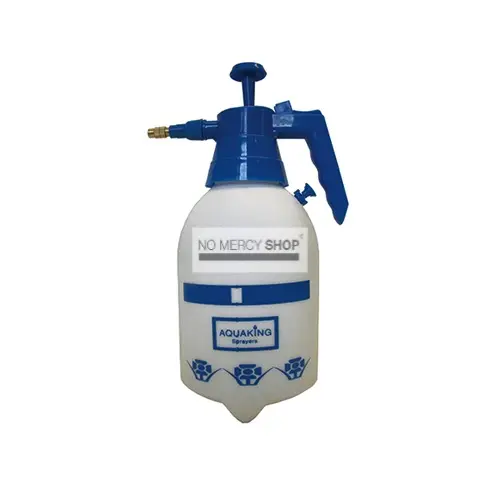
The 2 litre is the only one in this range you operate one-handed, which is exactly what you want when the other hand is lifting leaves. The 5 litre is the general-purpose size and the 8 litre covers a whole room without refilling; both have a pressure-relief valve, an ergonomic grip and a transparent tank with a scale, so you can see what is left while you dose.
Bigger is not automatically better
A full eight litre tank weighs over eight kilos, and you will not hold that at eye level for long. So work from how long you spend spraying rather than from how often you want to refill: refilling costs a minute, while a tank that is too heavy costs you the accuracy of your last row of plants.
The lance is half the job
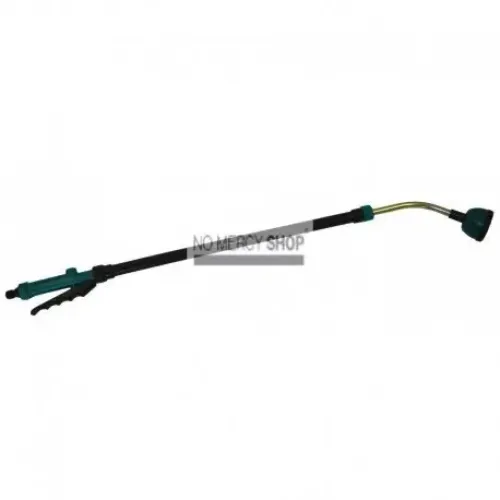
The extendable 140 cm spray lance puts the head where your hand does not reach: under the leaf, where pests sit and where foliar feed is taken up, and at the back of a tent without half climbing into it. On a dense crop that is the difference between wetting the top and actually treating the plant.
Rinsing through is part of it
Always rinse after use, especially after a treatment: dried residue blocks the nozzle, and a remnant of a product comes along uninvited over your leaves next time. Ideally keep a separate sprayer for crop protection. What goes in it is under Foliar Feed and Plant Health.
Frequently asked questions
When is the best time to spray?
Not with the lamp at full power, because droplets on warm leaves dry too fast and then do nothing. At the end of the day or just before lights out gives the product time to be taken up.
Why do I have to hit the underside of the leaf?
Because that is where the stomata are and where pests sit. Wetting only the top looks thorough and does half the work.
Can I use the same sprayer for feed and for treatments?
Better not. Residue is hard to rinse fully out of the tank, hose and head, and you will put it on your crop later anyway. Two sprayers cost less than one ruined round.